Bridging digital capabilities to the stores
Ingka Group Digital, the Digital organization from IKEA's main retail operator, had been navigating change for a few years by attracting new digital talent, investing on new capabilities and prioritising critical transformation work to create a true omnichannel experience globally.
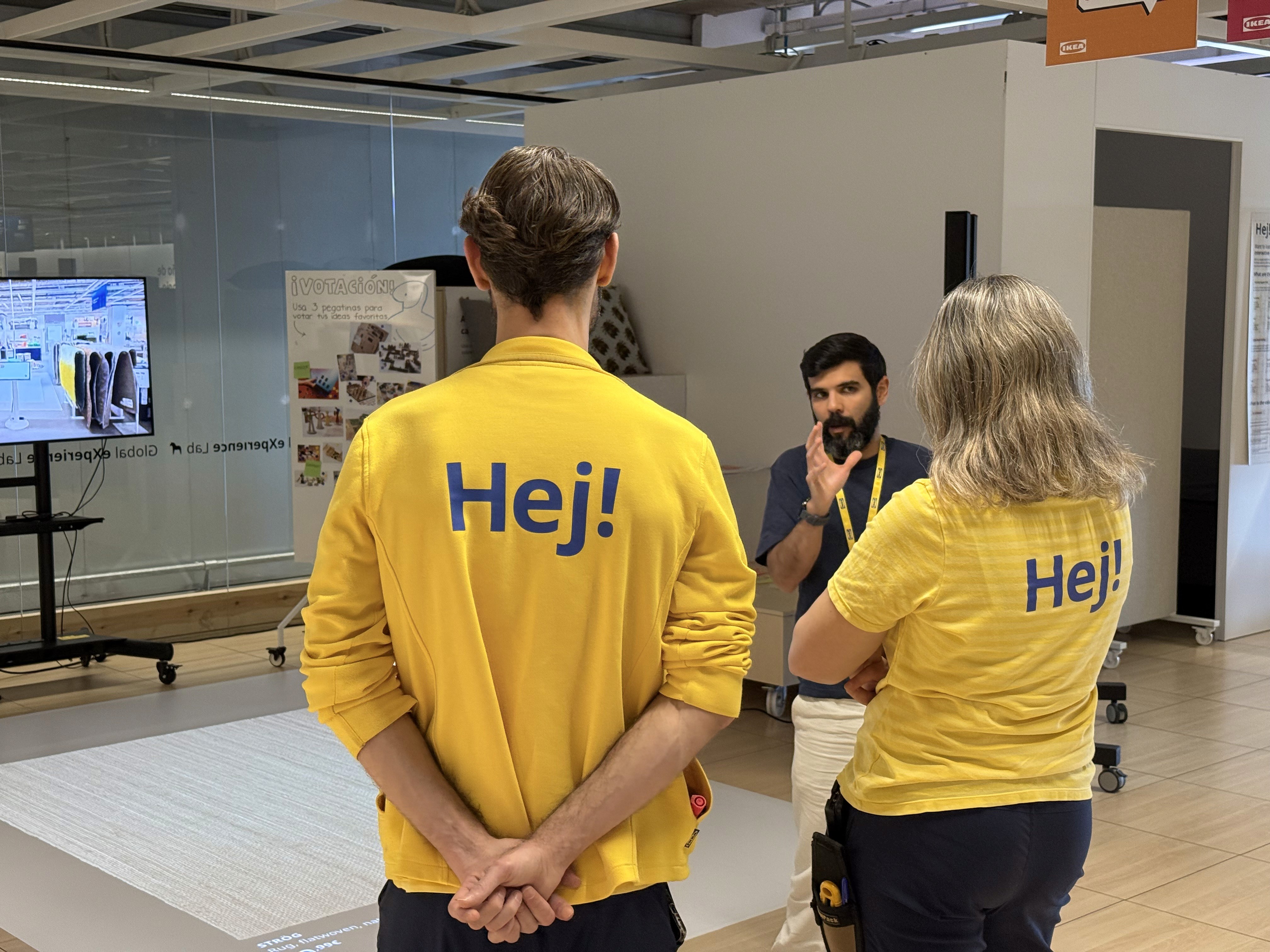
Soon they realised that, in order for new developments to truly stick, they needed to bringing innovation to the heart of IKEA: the stores, working closely to customers and employees to co-create the future of IKEA together.
Framing the approach
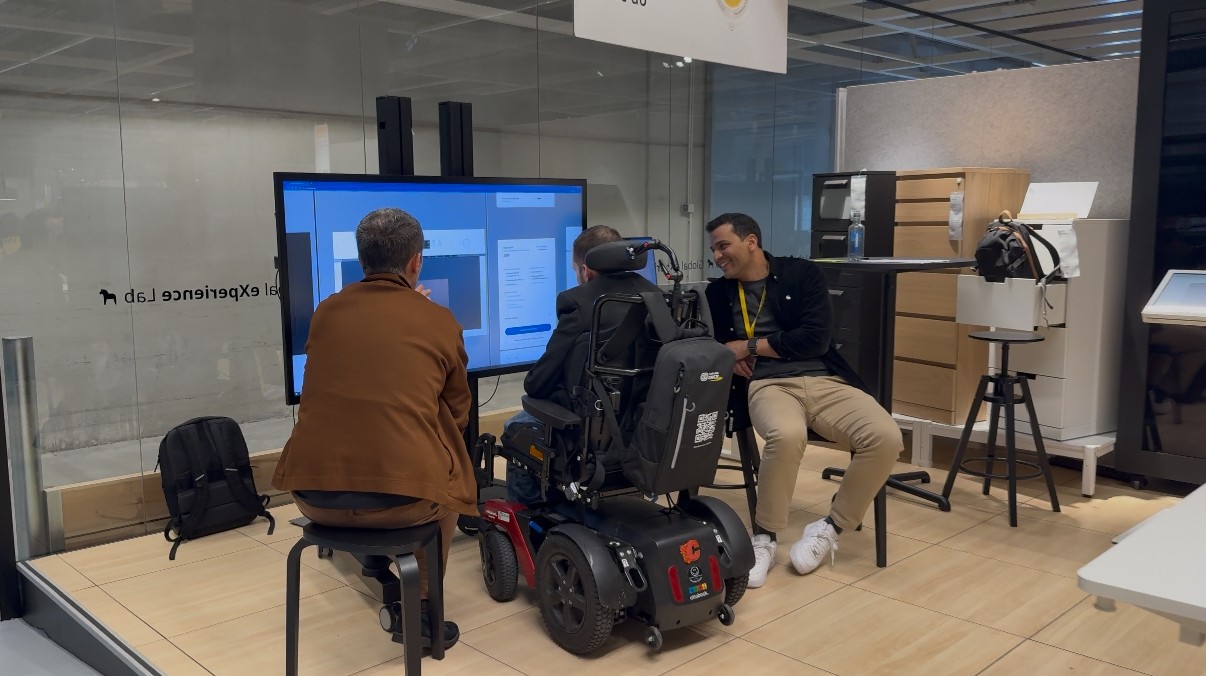
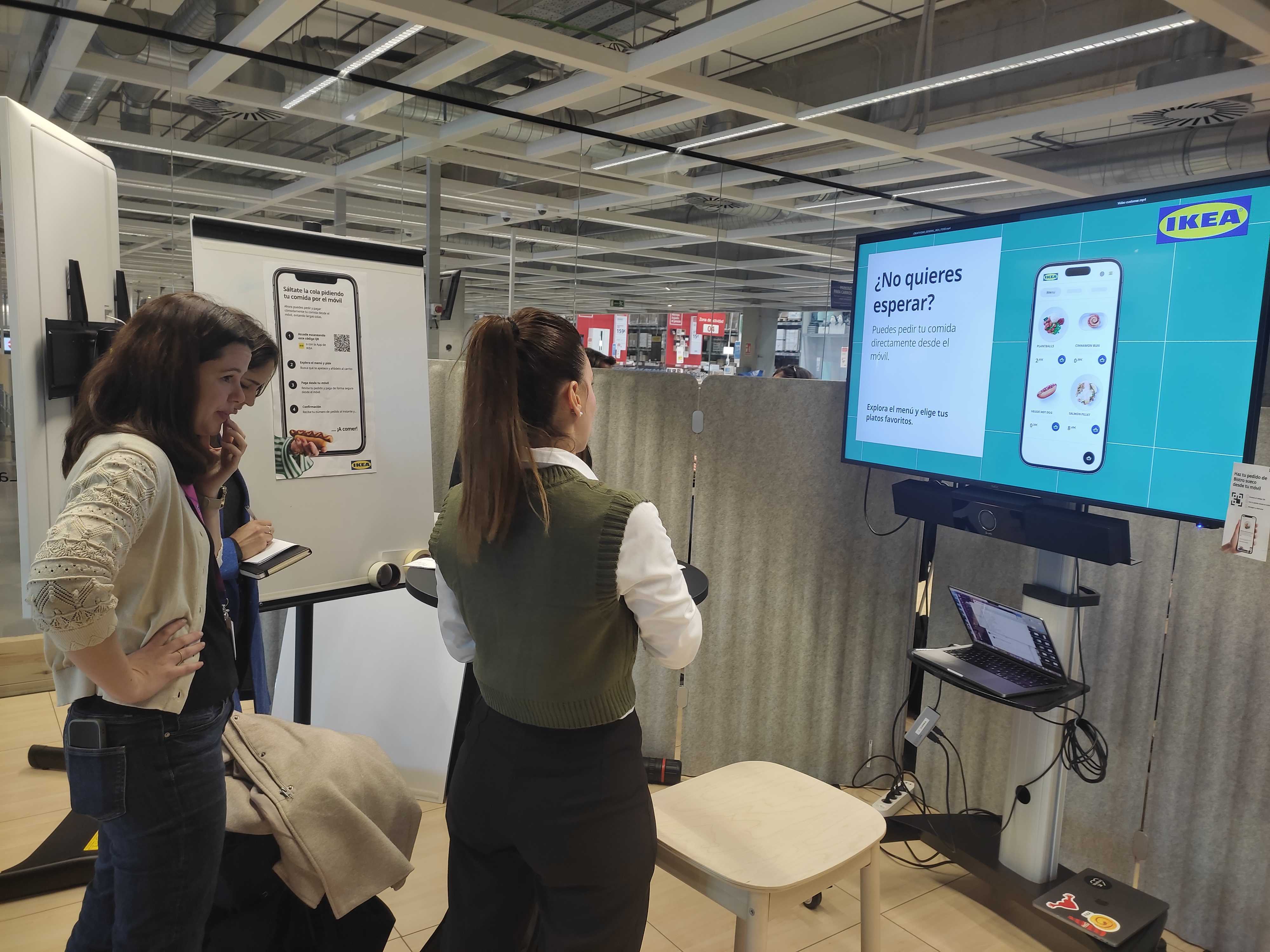
Assessing the context: start by covering foundational needs to allow digital teams to access the stores for testing without disrupting the store operations nor the customer experience: defining processes, guidelines, resources and tasks to be followed by teams to successfully conduct Research work.
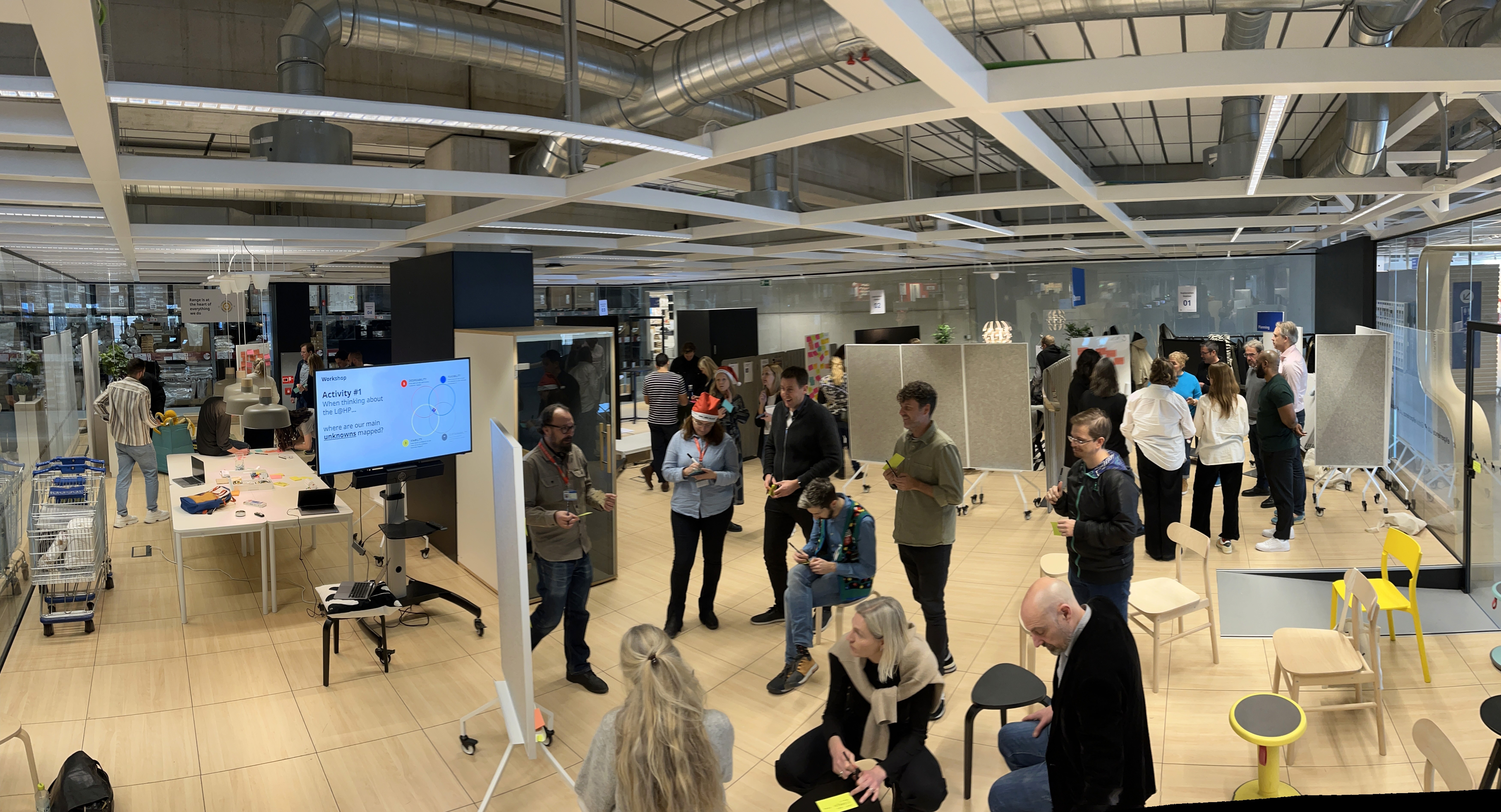
Codifying the initiative: Shaping the concept beyond the space, understanding how it can become a vehicle for change across the organization, connecting Retail and Digital worlds, creating evidence and fostering collaboration and co-creation through different engagement models
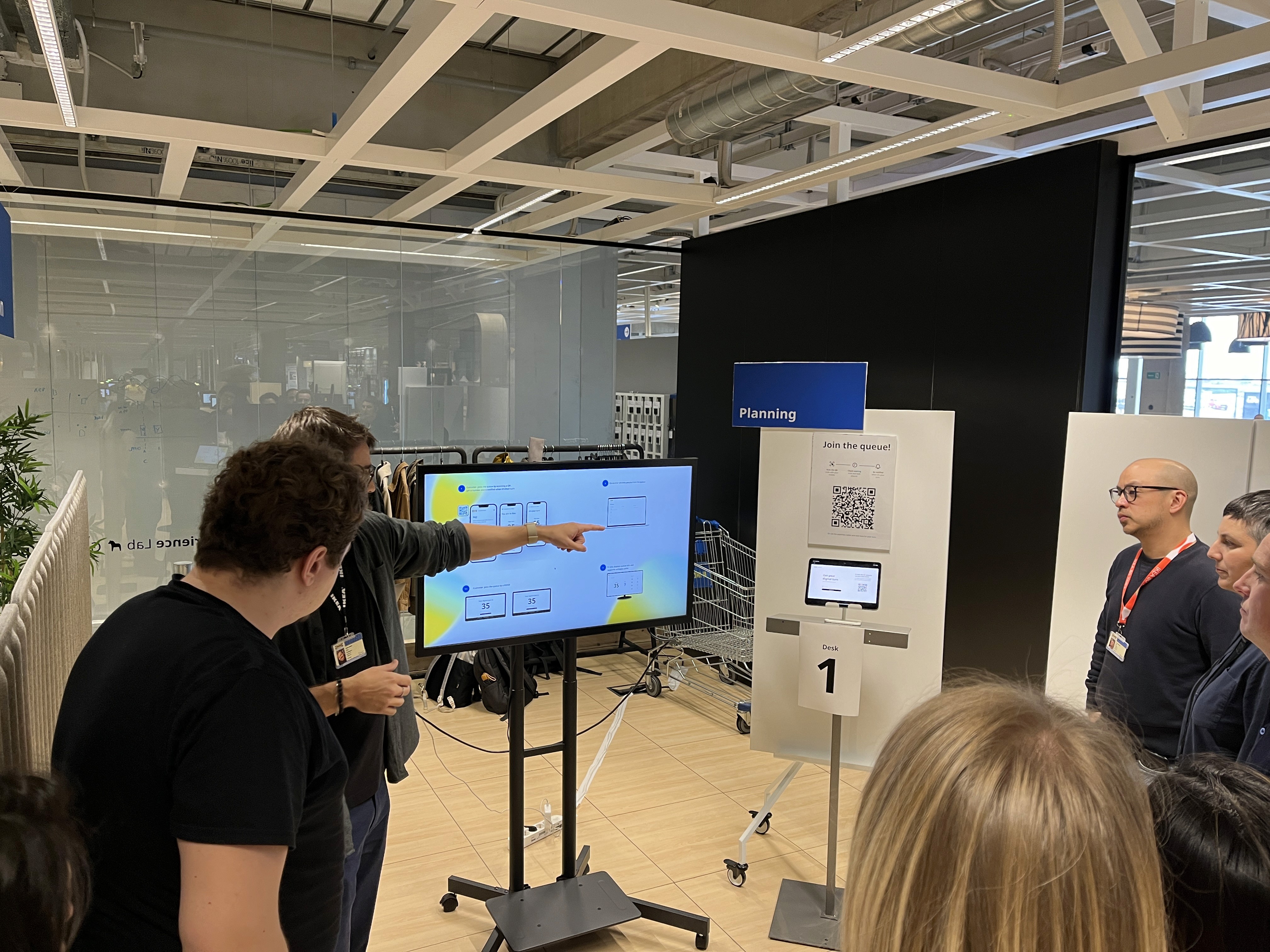
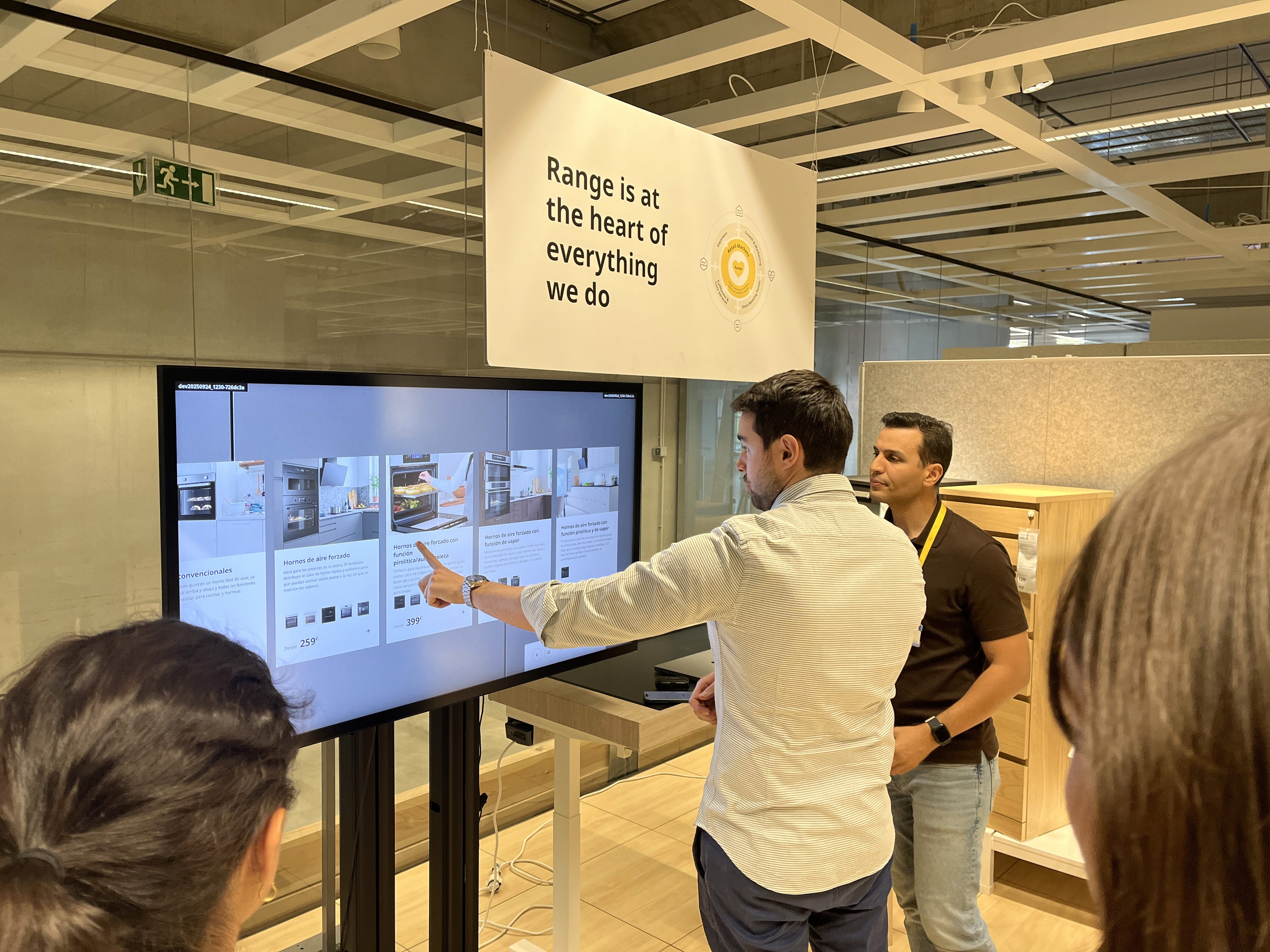
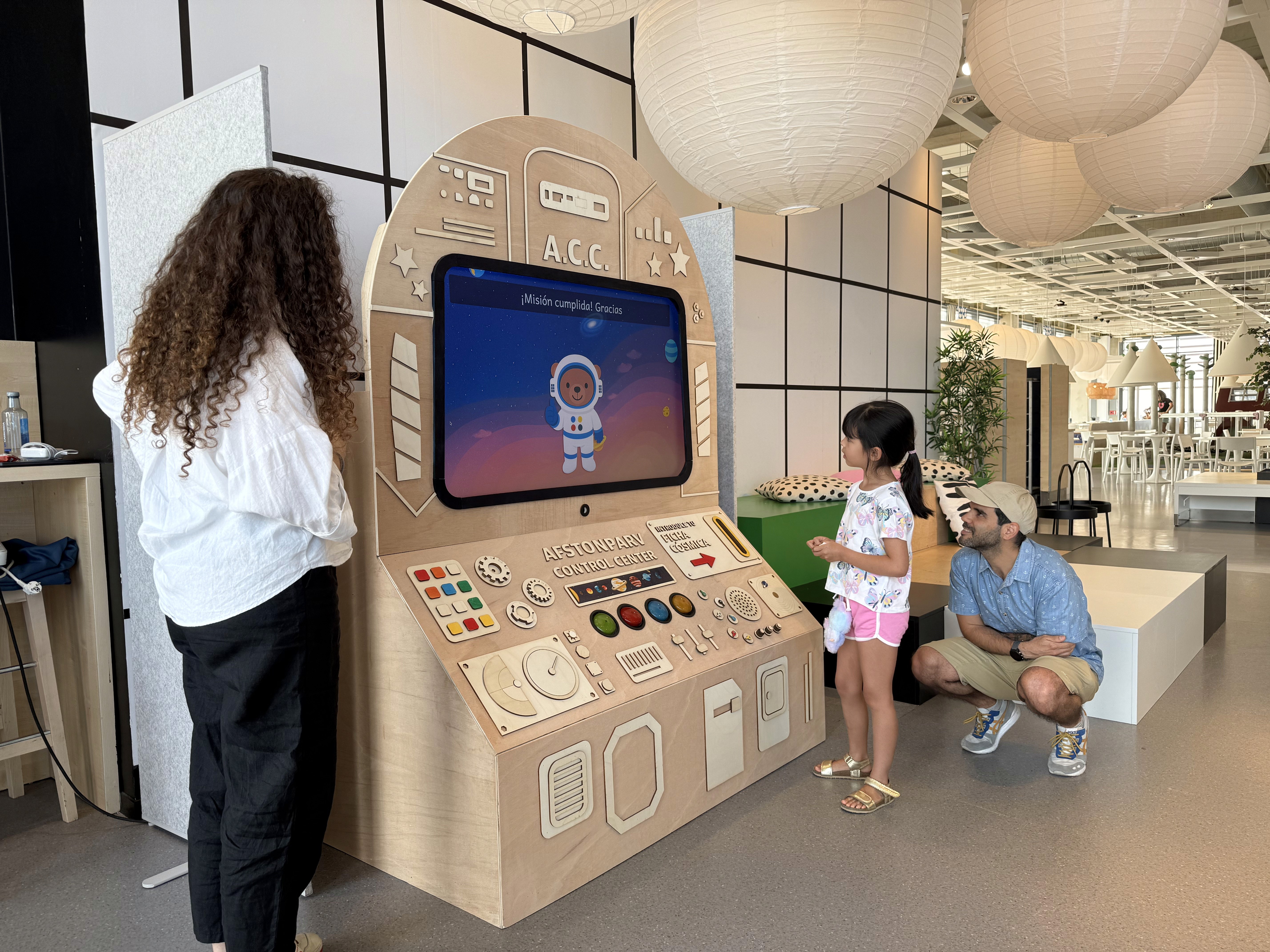
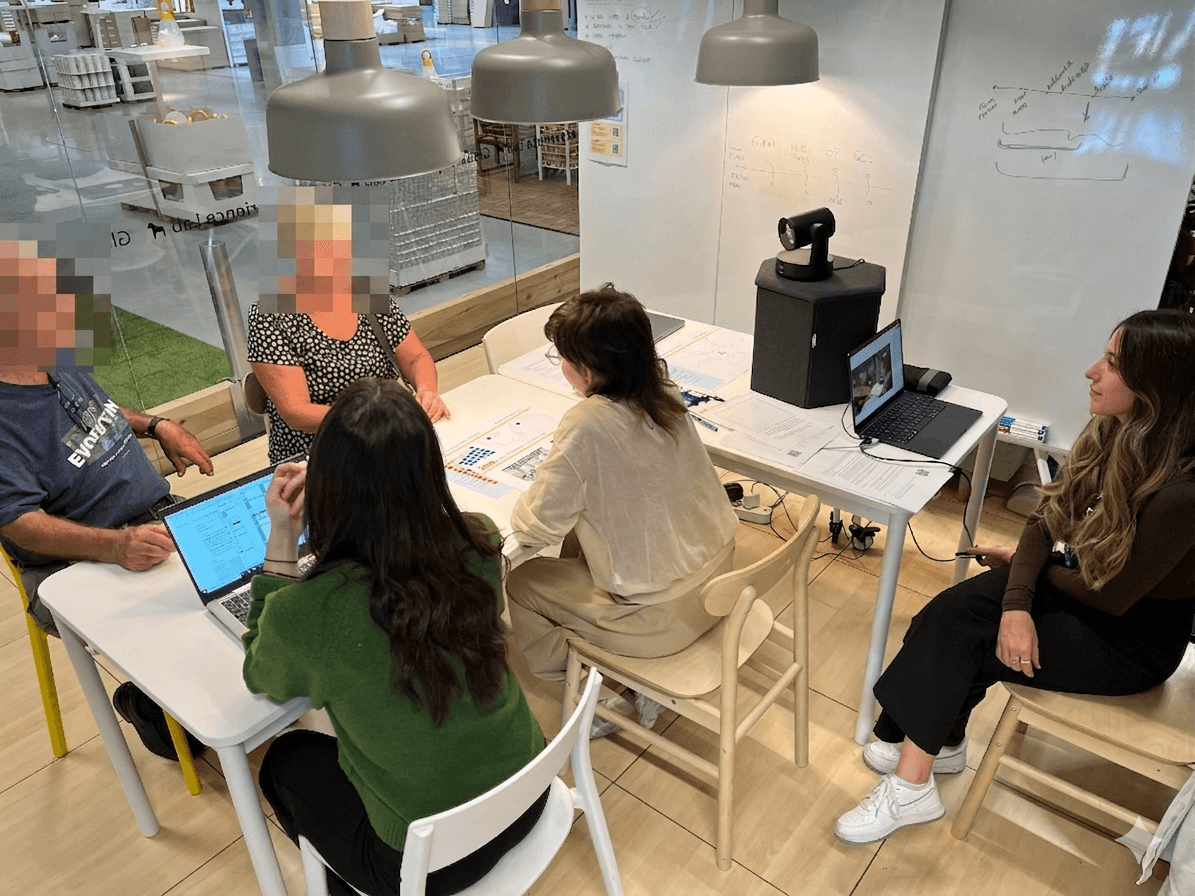
Expanding and scaling the impact: Inviting and hosting different teams to stress out the possibilities on how the Global Experience Lab could provide a set of services for the teams to achieve big things, in a fast-paced and safe environment. Once the concept proofed being successful, we started exploring how to scale it to other geographies, bringing it closer to more teams and contrasting experiments across different geographies and realities.
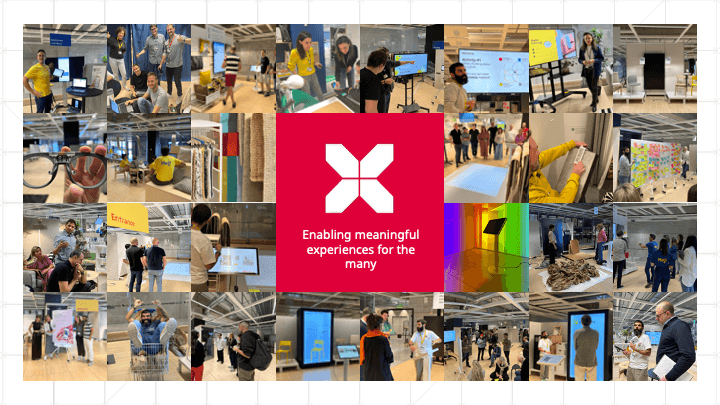


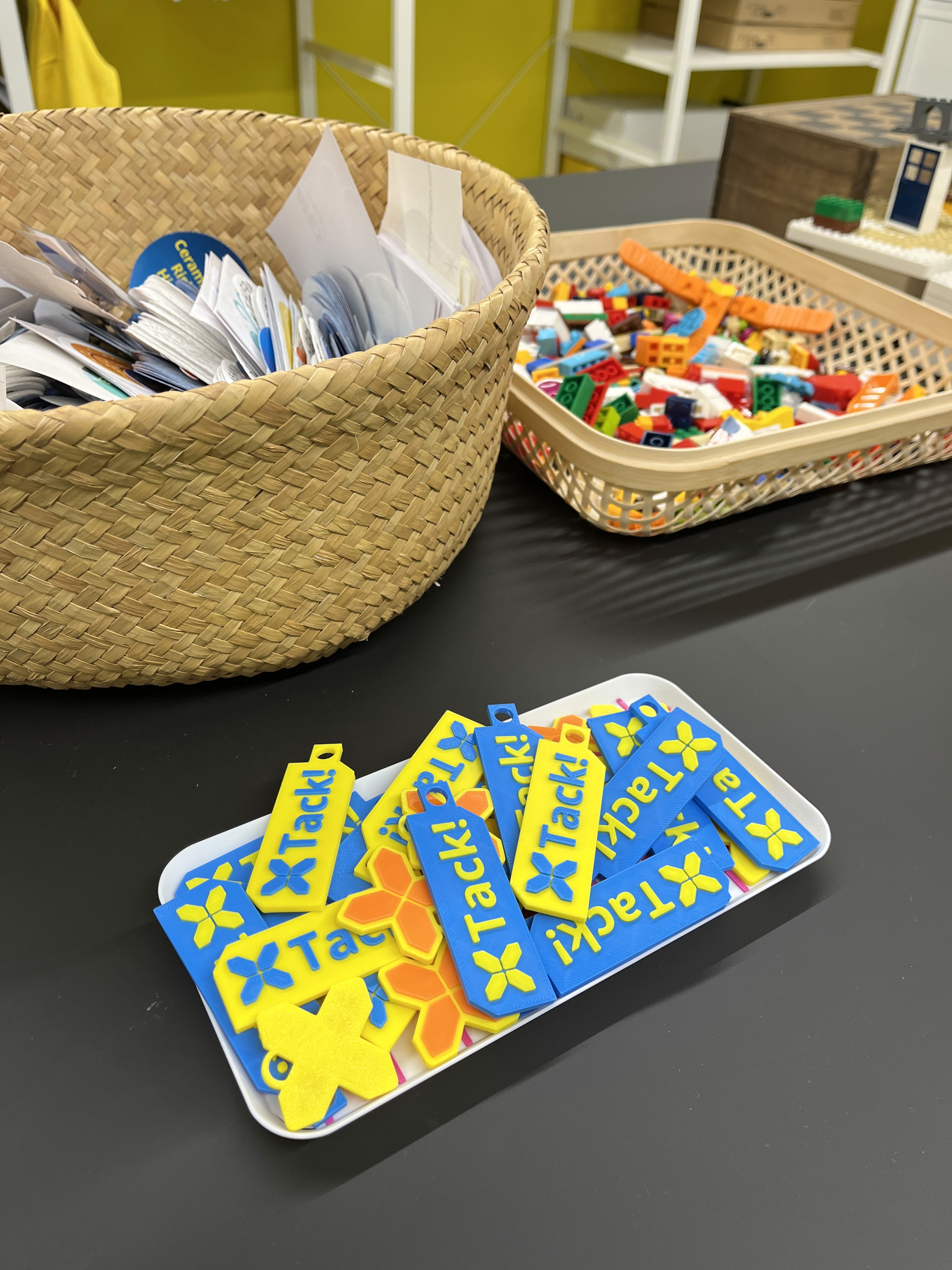
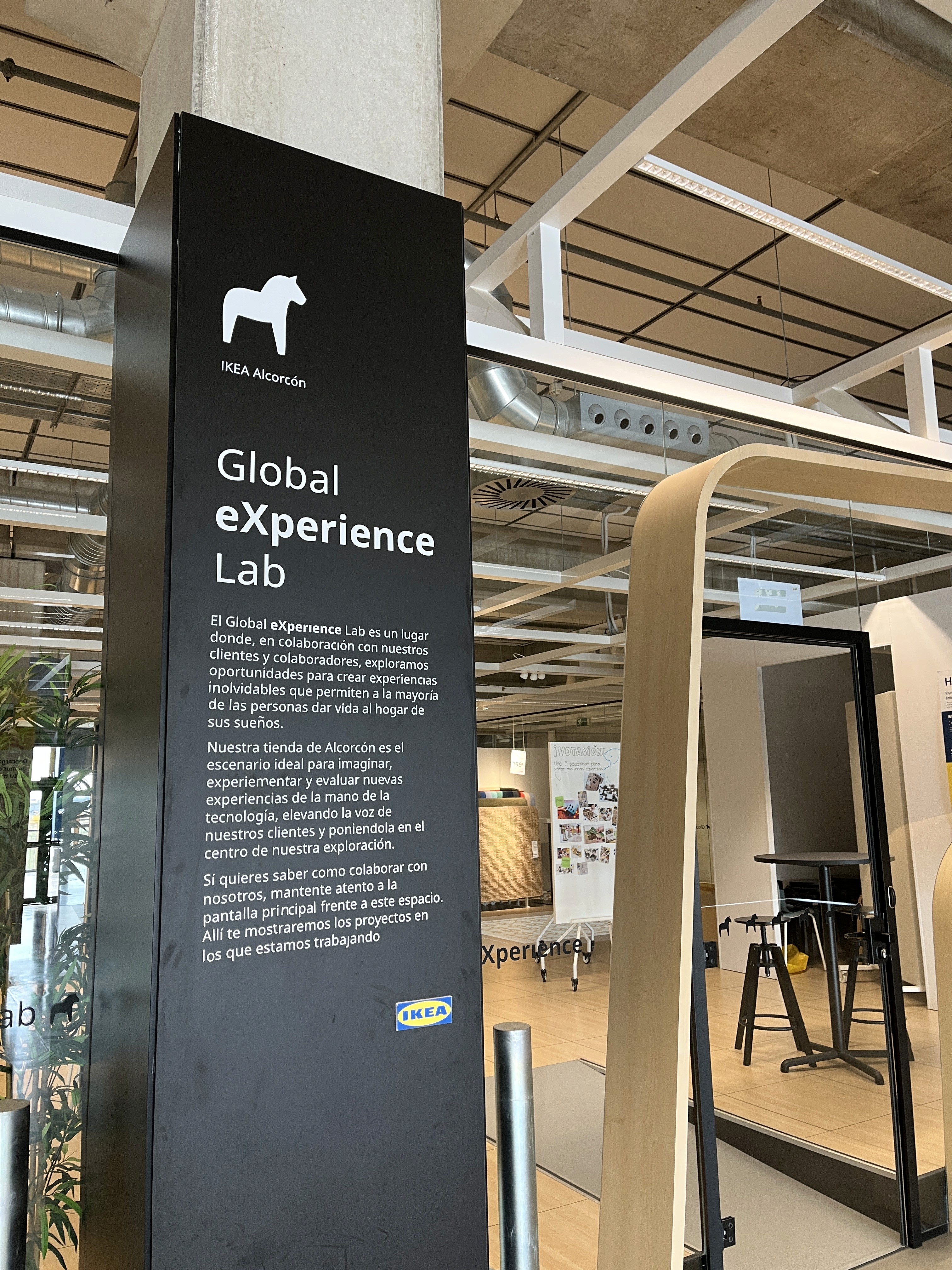

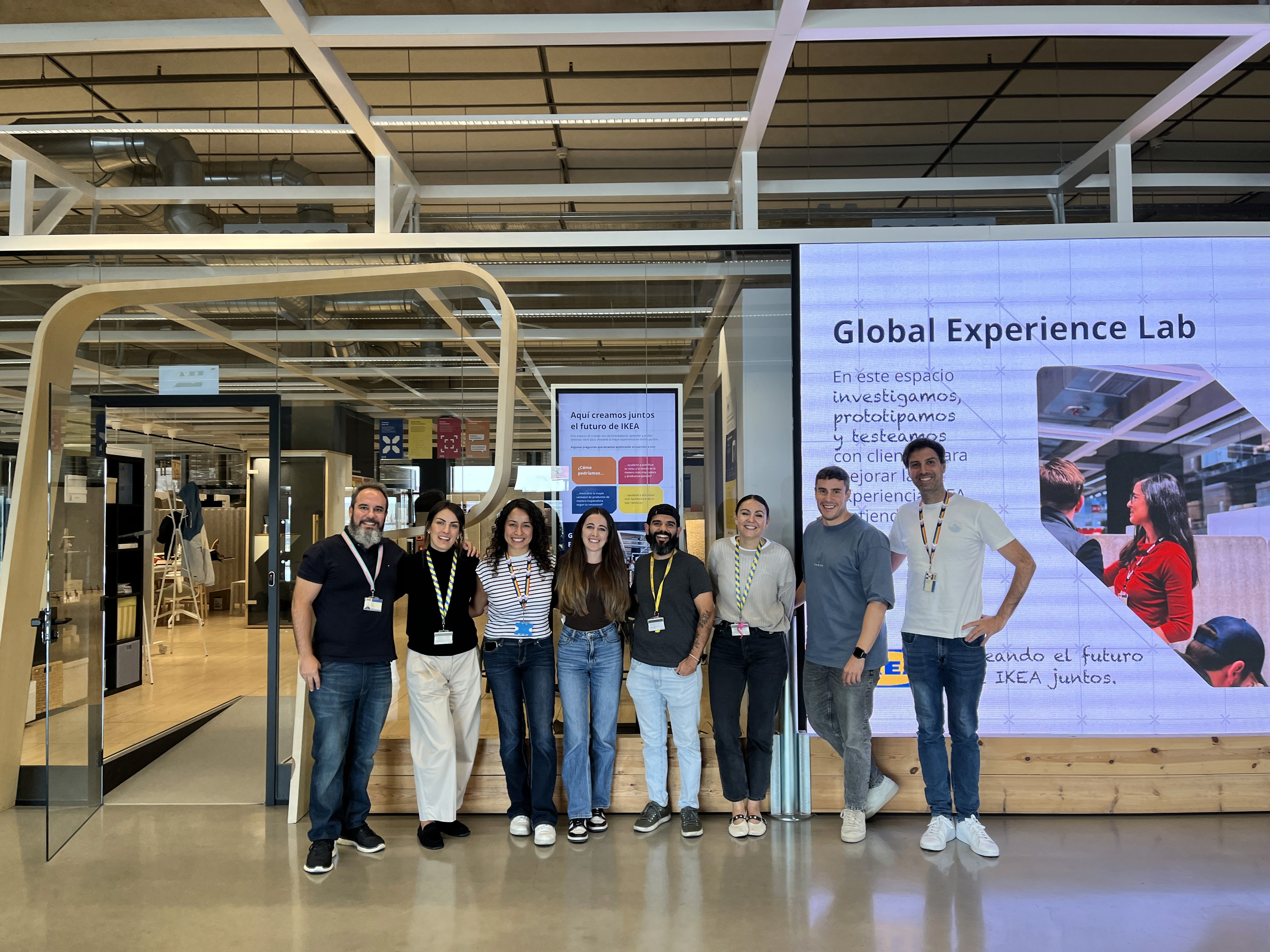
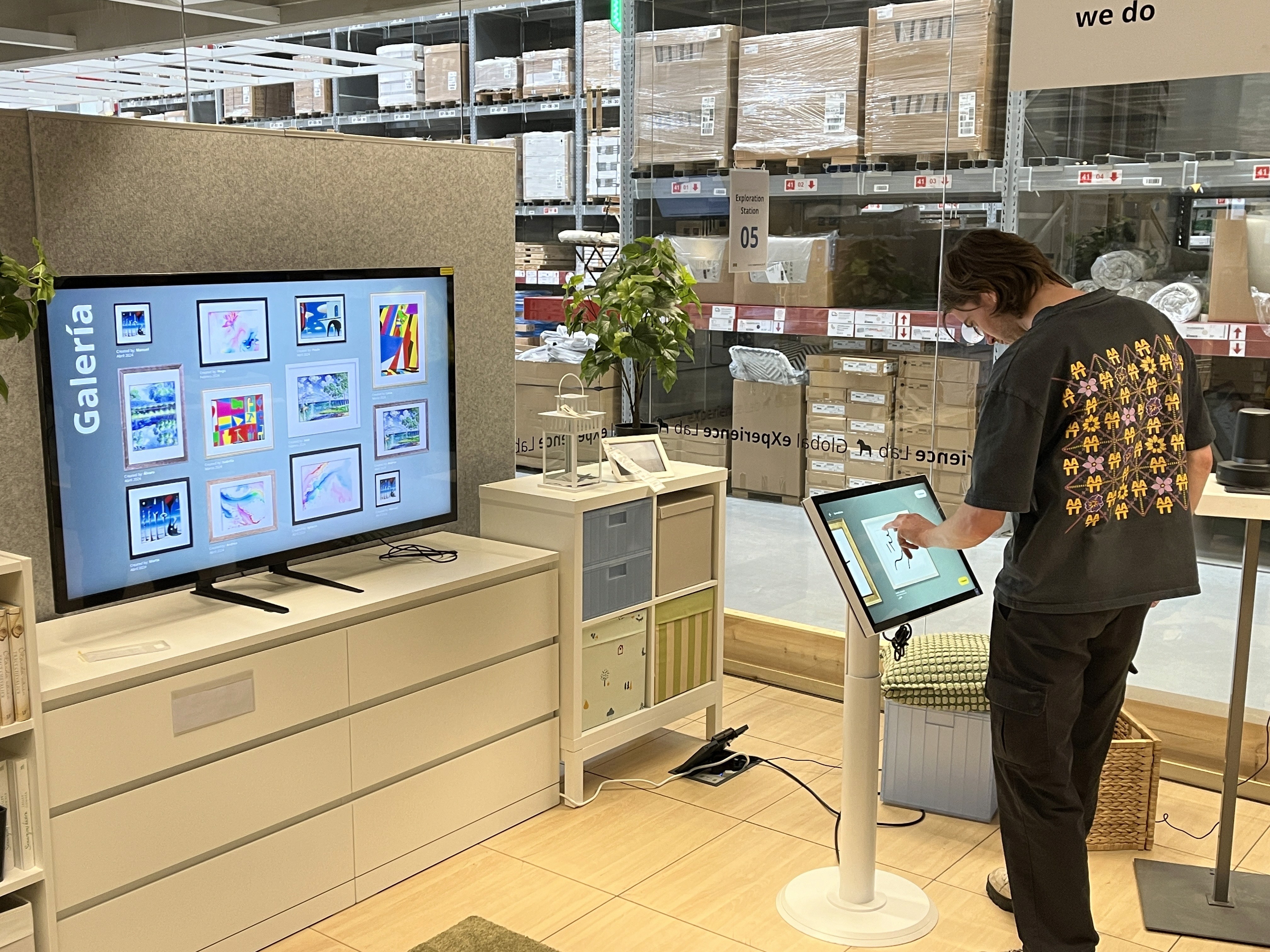
I ended up shapping, building and leading the strategy on the first Global Experience Lab, an experimental sandbox capability that can nurture the exploration of new ideas, concepts and technologies that could play a big role in creating a seamless and consistent CX at IKEA globally, while de-risking decisions through a collaborative and operational efficient approach.
The concept proofed to create significant synergies and efficiencies:
Reducing the cost of research by 10x
+500 FTE hours saved annually by streamlining research and prototyping processes
Improving user fit for research activity (95% vs. 78% from alternative methods)
+20 teams supported
+80 experiments conducted, product demos, corporate visits, proof of concepts, etc., while also driving extra visitation to the stores.